Blog·Kitzy · May 12, 2026
Should you rent backline or fly with your own? The fly-date math
Every band planning a fly date eventually does the same math: is it cheaper to bring our own gear or rent backline when we land? Here’s how I break it down, having watched bands get it right and painfully wrong.
Start with the baggage math
Most US carriers cap checked bags at 50 lbs before overweight fees kick in, and the fees escalate fast: typically $100 or more per bag, per leg, once you’re overweight, and more again once a case counts as oversize. A 4x12 cab doesn’t fly as checked baggage at all; it ships as cargo, which is its own quote, its own paperwork, and its own set of ways to go wrong.
Now count honestly. A bass head in a road case, a guitar head, a pedalboard, cymbals, a snare, hardware: you’re at four or five cases before anyone’s personal luggage enters the picture. Multiply by fees, then by legs, then by the number of humans schlepping it all through baggage claim at 1 a.m.
For a typical one-off or short run, the round-trip baggage cost alone lands in the same range as renting solid backline outright. And that’s before the other costs, which are worse.
The costs that don’t show up on the receipt
Risk. Airlines break gear. Ask any touring musician about watching a tube head come down the oversize belt. When your amp dies in transit, you’re now sourcing a replacement in a strange city on show day, which is the exact problem you were trying to avoid.
Time. Checking five cases adds real time at both ends of every flight. So does arguing about whether your cymbal bag is a “musical instrument” under the carrier’s policy.
People. Somebody has to move all of it. If you’re touring without crew, that’s the band, before soundcheck, every day.
Coming from overseas? Don’t even do the math
If you’re a UK, European, or Asian act touring the US, this whole calculation collapses into one sentence: nobody flies drums and amps across an ocean for a tour. The bands that carry their own backline internationally travel with production trucks and freight teams. If that’s you, your production manager already knows all of this.
For everyone else, here’s what bringing your own across a border actually involves:
- International baggage and cargo rates that make domestic overweight fees look quaint
- A carnet, the customs passport for your gear, which costs real money, takes time to arrange, and creates a problem at the border if the paperwork doesn’t match the cases
- Power. UK and European amps live on 230V; the US runs 120V. Some amps switch over gracefully, plenty don’t, and discovering which kind yours is at soundcheck in Brooklyn is a bad time.
- No safety net. When your amp dies stateside, your spare is 3,000 miles away.
The standard play, the one nearly every international act at club and theater level runs, is simple: fly with your guitars, pedalboard, breakables (snare, cymbals) if you’re picky, and rent the heavy backline in the States. One pickup when you land, one drop-off when you leave, everything on the right voltage with a local phone number attached to it.
That’s a big part of our regular business at Kitzy Sound: we’ve backlined US runs for acts coming in from the UK, Europe, and Asia. If your routing lands anywhere near the East Coast, we should talk before you price a single cargo shipment.
What renting actually gets you
When you rent from a company that specializes in touring (mine or anyone’s, honestly), you should expect:
- Gear that’s serviced and show-ready: fresh heads, tested amps, hardware that doesn’t rattle
- Road cases included, because the rental company owns the transport problem
- A backup plan when something breaks, from a person who answers the phone
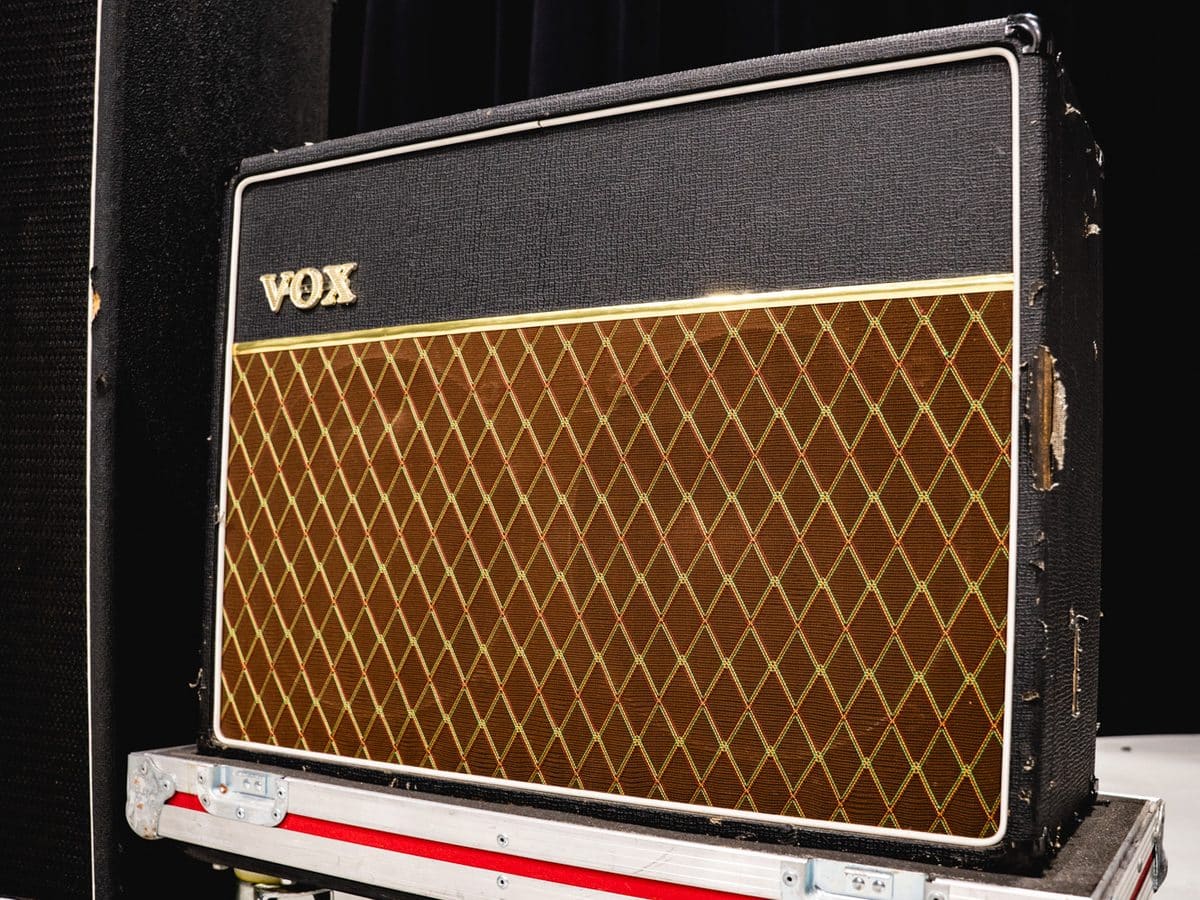
At Kitzy Sound that looks like DW Performance Series kits, Zildjian cymbals, Ampeg SVT rigs, and Fender, Orange, and Vox guitar amps, delivered anywhere in the NYC metro or shipped through our freight partners when your routing starts somewhere else.
When bringing your own still wins
Renting isn’t always the answer, and I’d rather you make the right call than rent from me on the wrong one:
- Long runs. Amortize the schlep over six weeks of shows and bringing your own can pencil out.
- Irreplaceable tone. If your sound is a specific modded amp, bring it. Or profile it.
- Bus-and-trailer tours. If the gear rides in a trailer instead of a cargo hold, most of the math above disappears.
The middle path: modelers
The option more bands should consider: leave the amp at home and carry a Kemper Profiler or similar modeler. Profile your rig before you leave, and your exact sound fits in a backpack, direct to FOH or into a rented power amp and cab. It’s the most fly-date-friendly setup there is, and it’s a big part of why we keep modelers in the rental inventory.
The short version
For fly dates and short runs, rent the heavy stuff and carry what makes you you: your guitar, your snare, your pedalboard, your profiles. The math almost always agrees.
If you’re routing through the New York area, tell me about your tour and I’ll spec what you need honestly, including the parts you shouldn’t bother renting.